Deposits, Contracts, Utilities: A Renting FAQ for Nha Trang
Short answers to typical questions about rental terms in Vietnam: how much for a deposit, how utilities are calculated, what to put in the contract.
These are basic questions that a renter hits a week after moving in. Better to clarify them in advance.
How much is the deposit usually?
The Vietnam standard is 1-2 months rent. One-bedrooms and studios more often at 1 month, two- and three-bedrooms — 2 months. Sometimes large complexes ask for more for expensive apartments.
The deposit is usually paid in cash at contract signing. It's returned on move-out if there's no damage and no utility debts.
What if the apartment is rented through an intermediary?
The deposit goes to the owner, not the agent. The agent usually receives commission from the owner for their work, not from the renter. If you're asked for "agent commission from the renter" — that's a non-standard situation and worth clarifying what it's for.
What kind of contract is signed?
Classical practice — a bilingual (Vietnamese + English) paper document of 1-3 pages, signed by the owner and the renter. What's usually in it:
- Names of the parties, passport details
- Apartment address
- Rental term
- Monthly rate
- Deposit amount and refund conditions
- What's included in the rate (furniture, sometimes internet)
- What's NOT included (electricity, water, gas, complex maintenance)
- Early exit conditions
If you're offered something "on a handshake" without paper — it's a bad signal, you should ask for a contract.
How are utilities paid?
In Vietnam utilities are almost always paid by the renter separately from the rate:
- Electricity — by meter, includes AC. In hot months (April-September) the bill can be $40-80 even with moderate use.
- Water — by meter, usually a few dollars per month.
- Internet — sometimes included in rent (especially in large complexes), sometimes not. Check with the agent.
- Gas — bottled, paid separately per bottle purchase.
- Complex maintenance (for complexes with infrastructure) — sometimes "included," sometimes a separate fixed fee of $20-50/mo.
It's better to ask the agent for a breakdown for the last month — it gives a realistic expense picture.
What about furniture and appliances?
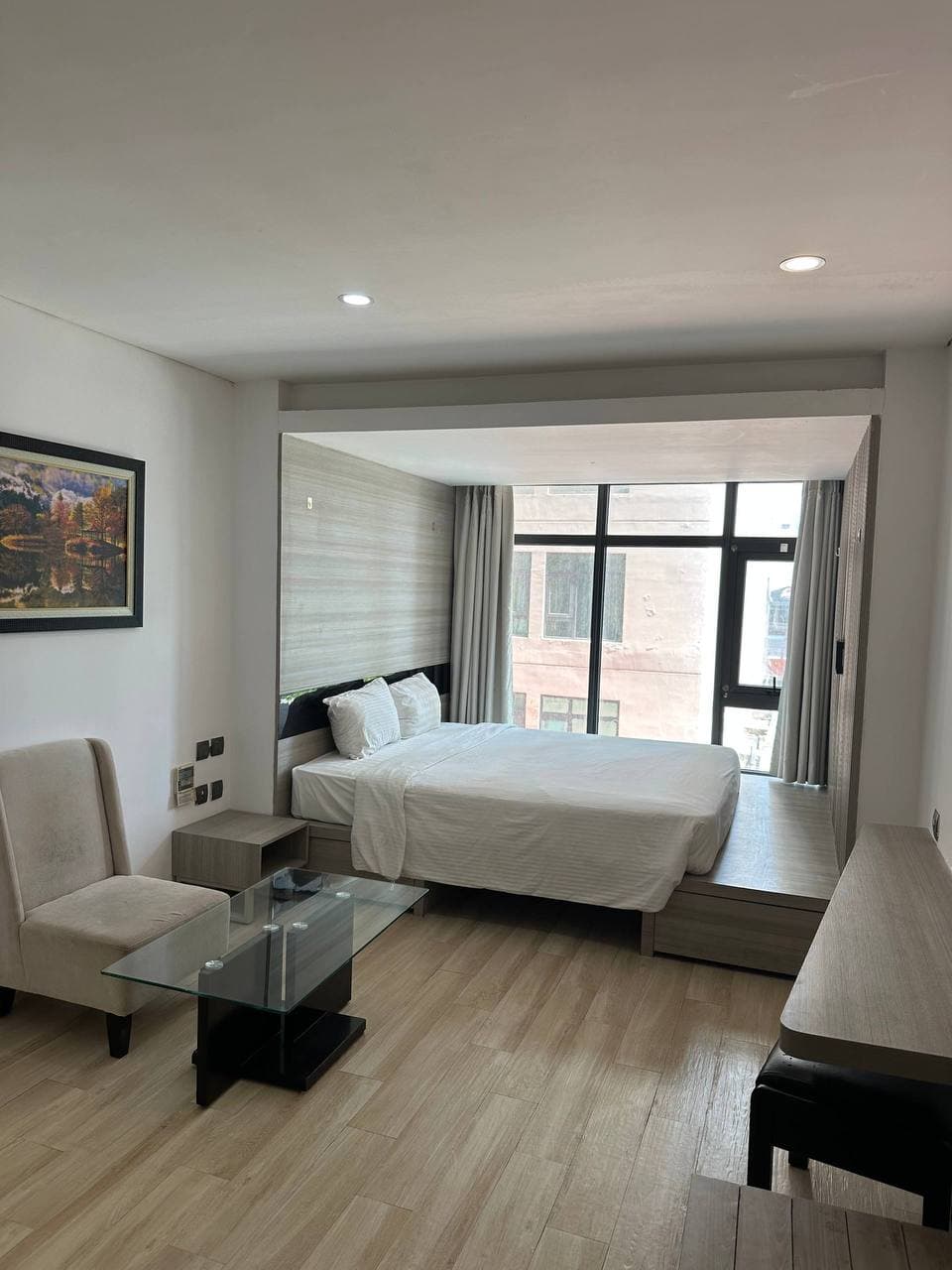
Most modern high-rise apartments are furnished. Standard set:
- AC in bedrooms and living room
- Beds, wardrobes, sofa
- Kitchen: stove, fridge, microwave
- Washing machine
- Sometimes: TV, dishwasher
The specific list is best locked in the contract or an appendix to it — so there are no questions at move-out.
Can I move in without a Vietnamese visa?
A Vietnamese visa isn't required for the rental contract, but the owner usually asks for a passport copy with the current entry stamp. Long-term rental requires registration of the foreigner with local police — usually handled by the owner or complex manager.
What if something breaks?
Small repairs (light bulbs, minor breakdowns) — at the renter's expense. Major repairs (boiler, entire AC unit) — at the owner's expense. This is an unwritten standard; better to spell it out explicitly in the contract.
Similar Pages
Find a place in Nha Trang
All apartments in Nha Trang →
Open listings from agents and owners